Made by  Italy, posted in Physics, on October 19, 2012 1:19 am
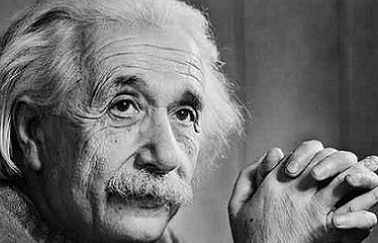
The objectives of the teaching activity “ Einstein in Wonderland” are to promote the familiarity with the new technologies and, particularly with the LIM; to learn physics through a different language, that is English, using the method CLIL; to learn the specific vocabulary of subjects of physics, in English.
To reach these objectives we are using brainstorming, formulation of hypothesis, researches, building of the work, teamwork.
|
This material rate is 0 of 5 points from 0 votes.
|

 (36)
(36)
|
Made by Italy, posted in History, on October 19, 2012 1:13 am

After the introduction, I will guide students through a video which deals with the Holocaust.
This will give them a little background information so they will be able to participate in the
lecture. This will take 15 minutes. This is an anticipatory set in which a framework for new
learning is provided.
|
This material rate is 0.4 of 5 points from 439 votes.
|
(117)
|
Made by  Romania, posted in Biology, on May 13, 2012 10:21 pm
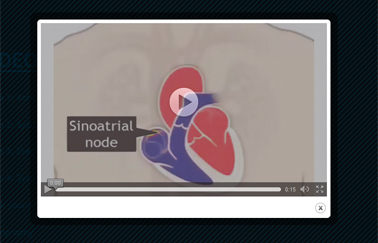
Topic: the cardiovascular system (the normal structure and functioning of the heart, the circulation of blood in the human body, from the heart to the rest of the body and back to the heart)
Lesson Aim: understanding and learning the structure of the heart and of its mechanisms, as well as the circulation of blood
Type of lesson: acquiring new information
Types of interaction: teacher-students, student-student.
|
This material rate is 1 of 5 points from 444 votes.
|
(217)
|
Made by Romania, posted in English Language, on May 12, 2013 11:21 pm

Anticipated problems:
Ss may find some of the exercises as redundant having in view that in some of them they encounter commonly used phrasal verbs.
|
This material rate is 0 of 5 points from 0 votes.
|
(13)
|
Made by  Bulgaria, posted in Chemistry, on May 14, 2012 1:09 am
AIMS:
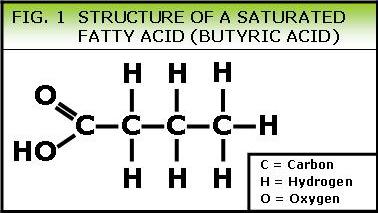
To revise and extend students’ knowledge of butyric carbohydrates
To systemize students’ knowledge of butyric carbohydrates
To put into practice the acquired knowledge of the structure, isomerism and chemical properties of the butyric carbohydrates
To illustrate the connection between the carbohydrates by means of chemical reactions
To develop students’ thinking and imagination by means of different logical operations- synthesis, analysis, comparison, analogy
|
This material rate is 0.4 of 5 points from 445 votes.
|
(319)
|
Made by  Poland, posted in English Language, on March 19, 2013 2:15 am
|
This material rate is 0 of 5 points from 0 votes.
|
(257)
|