Made by  Czech Republic, posted in Art, on August 13, 2012 10:39 pm
Step 1:
1. The teacher asks the students if they know any gods from the Greek mythology and writes the names they have mentioned on the board.
2. The teacher offers more names of gods with mingled letters and asks them to reorder the letters to recreate the correct names
reiAhptod
nsiyusDo
emsreH
eaHr
eHapehusst
The teacher also asks students to define what range of power the god has and what responsibility, e.g. Aphrodite = the goddess of love
|
This material rate is 0.5 of 5 points from 440 votes.
|

|
Made by  Turkey, posted in Chemistry, on May 12, 2013 10:50 pm

Procedures:
1.Students are given the definitions of Group and Period s.
2.They are taught systematic variying features at the Periodic Table.
3.Groups of A and B and their features are told.
|
This material rate is 0 of 5 points from 0 votes.
|
 (157)
(157)
|
Made by  Bulgaria, posted in English Language, on March 19, 2013 2:43 am
The class is divided into 6 groups. Three of the groups will deal with the morphological signs of the 3 races and the other three groups – with the physiological signs. Each group uses a computer with an Internet connection to find out the signs they are allotted. The teacher specifies the time the students may have. Then each group presents what they have found out.
|
This material rate is 1 of 5 points from 1 votes.
|
(131)
|
Made by  Poland, posted in Mathematics, on May 12, 2013 10:14 pm
|
This material rate is 0 of 5 points from 0 votes.
|
(9)
|
Made by Turkey, posted in Literature, on August 14, 2012 12:49 am
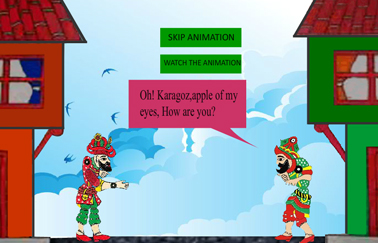
Aim :
1.To state the place of Turk?sh Language among the world languages
2.To investigate the re?nforcement stud?es of the Turk?sh Language
Methods : Reading, listening, searching, question-answer, teaching, comparing.
Materials : Course book, map, pc, internet, resource book.
|
This material rate is 0.4 of 5 points from 9 votes.
|
(270)
|
Made by Bulgaria, posted in English Language, on March 19, 2013 2:14 am
|
This material rate is 1 of 5 points from 1 votes.
|
(41)
|